
Salt Water Pool vs Chlorine: Real Costs & Maintenance Truth
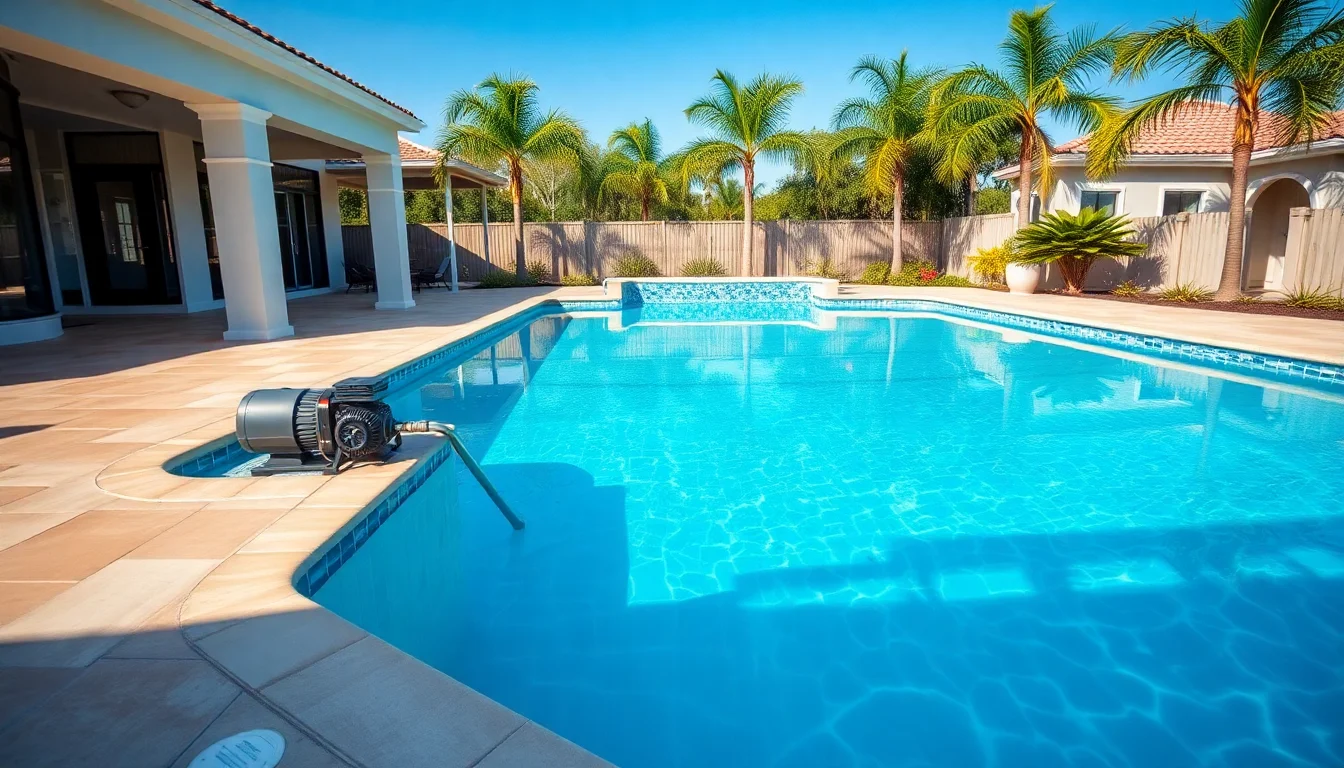
A salt water pool costs $1,500-$3,000 more upfront than traditional chlorine, but saves roughly $400 annually in chemical costs—though that's only part of the story for Central Florida pool owners.
The salt water pool vs chlorine debate isn't just about money. It's about understanding how Florida's unique climate, hard water, and year-round pool season affect both systems differently than other regions.
How Salt Water Pools Actually Work
Salt water pools aren't chlorine-free. They use a salt chlorine generator (salt cell) that converts dissolved salt into chlorine through electrolysis. The salt level stays around 3,200 parts per million—about one-tenth the salinity of ocean water.
The generator produces a steady stream of chlorine, eliminating the need to add liquid or granular chlorine manually. When the chlorine does its sanitizing work, it converts back to salt, creating a closed loop system.
Key components:
Salt chlorine generator (the brain)
Salt cell (where electrolysis happens)
Control panel and sensors
Salt (food-grade sodium chloride)
Upfront Investment Breakdown
Converting an existing pool to salt water requires specific equipment that traditional chlorine pools don't need.
Salt system equipment typically costs:
Salt chlorine generator: $800-$1,500
Professional installation: $300-$500
Initial salt load (8-10 bags): $80-$120
Electrical upgrades (if needed): $200-$800
Total conversion cost ranges from $1,380 to $2,920. Premium systems with advanced features like pH monitoring push costs toward the higher end.
New pool construction adds $1,500-$2,500 to the base price for salt water capability versus standard chlorine systems.
Annual Operating Costs: The Real Numbers
Salt water pools require different ongoing expenses than traditional chlorine systems.
Salt water annual costs:
Salt replacement: $40-$80 (lost through backwashing and splash-out)
Salt cell replacement: $200-$600 every 3-5 years
Electricity: $180-$300 extra (generator runs 8-12 hours daily)
Other chemicals: $100-$200 (pH balancers, stabilizer)
Traditional chlorine annual costs:
Liquid chlorine: $300-$500
Shock treatments: $100-$150
pH balancers and alkalinity: $150-$250
Stabilizer and other chemicals: $50-$100
Salt systems save $200-$400 annually in chemical costs, but electricity and equipment replacement narrow the gap significantly.
Central Florida Climate Challenges
Florida's year-round heat and frequent storms create unique problems for both systems, but salt water faces additional hurdles.
Hard water impact: Central Florida's high calcium levels cause faster salt cell buildup. Calcium deposits on the cell plates reduce efficiency and shorten lifespan from 5 years to 3-4 years in many areas.
Hurricane season problems: Heavy rains dilute salt levels, requiring testing and salt additions after major storms. Traditional chlorine pools just need shock treatments.
Year-round operation: While northern pools shut down salt generators in winter, Florida systems run continuously. This increases both electricity costs and equipment wear compared to seasonal climates.
Maintenance Differences That Matter
Salt water systems require less daily attention but more technical knowledge when problems arise.
Salt water maintenance:
Test salt levels monthly (should stay 3,000-3,500 ppm)
Inspect salt cell quarterly for calcium buildup
Clean cell with muriatic acid every 3-4 months
Monitor generator error codes and diagnostics
Balance pH more frequently (salt systems drive pH up)
Traditional chlorine maintenance:
Add chlorine 2-3 times weekly
Test chlorine and pH levels twice weekly
Shock pool weekly during summer
Adjust chemicals based on weather and usage
No electronic equipment to troubleshoot
Many homeowners appreciate salt systems for reducing daily chemical handling, but seasonal maintenance becomes more technical with electronic components.
Common Problems We See With Each System
Salt water pool issues:
Salt cell failure (most common repair call)
Calcium buildup on cell plates
Corrosion of metal pool equipment and fixtures
pH constantly drifting high
Generator error codes requiring diagnosis
Traditional chlorine issues:
Chlorine lock from over-stabilization
Algae growth when chemical levels drop
Skin and eye irritation from imbalanced chemistry
Equipment damage from improper chemical mixing
Green water after heavy pool use or rain
Water clarity problems affect both systems but have different root causes and solutions.
Water Feel and Swimming Experience
The most noticeable difference between systems is how the water feels on skin and swimwear.
Salt water benefits:
Softer feel on skin and hair
Less chemical smell
Reduced eye irritation
Swimwear fades less quickly
No chloramine buildup (the "pool smell")
Potential drawbacks:
Salt can accelerate metal corrosion
May damage natural stone pool decks over time
Higher pH requires more acid additions
Salt taste noticeable to some swimmers
Many families switch to salt water primarily for the improved swimming experience, especially for frequent pool users or those with sensitive skin.
Which System Pool Pros Actually Recommend
After servicing hundreds of pools in Central Florida, we see clear patterns in system performance and owner satisfaction.
Salt water works best for:
Families who swim daily or frequently entertain
Homeowners comfortable with basic electronics troubleshooting
Pools with fiberglass or vinyl liners (less metal fixtures to corrode)
Property managers who want to reduce weekly chemical handling
Traditional chlorine works better for:
Weekend swimmers or seasonal pool users
Older pools with extensive metal fixtures
Homeowners who prefer simple, predictable maintenance
Tight budgets (lower upfront and equipment replacement costs)
For vacation rental properties, salt systems reduce the need for property managers to handle liquid chlorine between guest stays, but require backup plans when equipment fails.
Making the Right Choice for Your Situation
The salt water pool vs chlorine decision depends on your specific priorities and circumstances.
Choose salt water if:
You swim frequently and value water comfort
You're willing to learn electronic system maintenance
You can handle higher upfront costs for long-term convenience
Your pool has minimal metal fixtures
Choose traditional chlorine if:
You prioritize simple, reliable operation
You want the lowest total cost of ownership
Your pool has older metal equipment
You prefer hands-on chemical control
Both systems can maintain crystal-clear, safe water when properly maintained. The "better" choice depends on matching system characteristics to your priorities and maintenance style.
Important: Regardless of which system you choose, regular equipment monitoring prevents small issues from becoming expensive repairs.
Consider consulting with a local pool professional who understands Central Florida conditions before making major system changes. They can assess your specific pool setup and help you understand the real-world implications of each choice.
Frequently Asked Questions
How long do salt water pool systems last?
Salt chlorine generators typically last 7-10 years, while salt cells need replacement every 3-5 years. In Central Florida's hard water conditions, salt cells often need replacement closer to the 3-year mark due to calcium buildup.
Can you taste salt in a salt water pool?
Most people don't notice salt taste at the proper 3,200 ppm level, which is much lower than ocean water. Some sensitive swimmers may detect a slight salt taste, especially if levels drift above 3,500 ppm.
Do salt water pools damage pool equipment?
Salt accelerates corrosion of metal components like ladders, light fixtures, and heat exchangers. Proper grounding and using salt-compatible equipment minimizes but doesn't eliminate this issue. Regular inspection of metal fixtures is essential.
Are salt water pools easier to maintain?
Salt systems reduce daily chemical additions but require more technical maintenance like salt cell cleaning and electronic troubleshooting. They're "different" to maintain rather than universally easier or harder than traditional chlorine.
What happens if the salt generator breaks?
You can temporarily maintain the pool by adding liquid chlorine manually until repairs are completed. Most salt systems have backup modes or can be bypassed while continuing normal filtration and circulation.
Do salt water pools cost more to heat?
Salt doesn't affect heating costs directly, but salt systems can accelerate corrosion in heat exchangers, potentially shortening heater lifespan. Using titanium or cupro-nickel heat exchangers extends equipment life in salt water applications.


Comments