
Mustard Algae in Pool: How to Kill This Stubborn Florida Pest
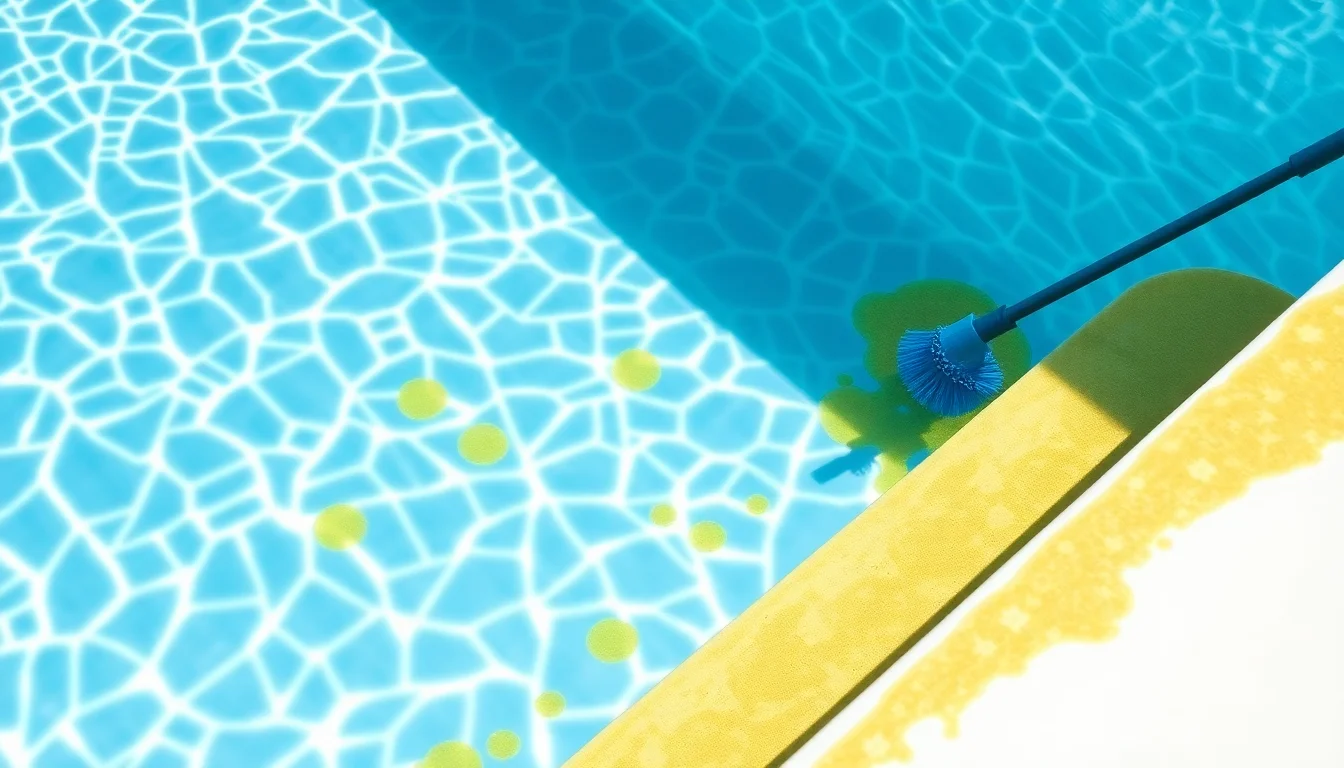
Mustard algae costs Florida pool owners over $300 million annually in treatments and service calls. This persistent yellow-green pest masquerades as harmless pool dust until it takes over your entire system.
Mustard algae in pool water appears as a fine, yellowish powder that clings to pool surfaces, especially in shaded areas and around return jets. Unlike regular green algae that turns water cloudy, mustard algae settles on surfaces and resists standard chlorine shock treatments that work on other algae types.
Central Florida's warm, humid climate creates perfect breeding conditions for this chlorine-resistant strain. Understanding why mustard algae behaves differently from common pool algae is the first step to eliminating it permanently.
What Makes Mustard Algae Different from Regular Pool Algae
Mustard algae forms a protective waxy coating that shields it from chlorine sanitizers. While green algae dies quickly when chlorine levels reach 10-15 ppm, mustard algae survives chlorine levels up to 30 ppm without significant damage.
The algae appears as yellow, brown, or mustard-colored dust that settles in corners, on steps, and around pool equipment. Many pool owners mistake it for sand, pollen, or dirt because it doesn't turn the water green like traditional algae blooms.
Key identifying features:
Fine, powdery texture that looks like sand or dirt
Yellow to brown coloration
Concentrates in low-circulation areas
Returns within 24-48 hours after brushing
Resists normal shock treatment levels
Florida's year-round swimming season means pools rarely get the extended downtime needed for traditional algae die-off. Why Your Pool Goes Green in Central Florida explains how our climate accelerates all algae growth, but mustard algae's resistance makes it particularly challenging.
Why Regular Chlorine Shock Fails Against Mustard Algae
Standard pool shock treatments raise free chlorine to 10-15 ppm to kill bacteria and algae. Mustard algae's protective coating blocks chlorine penetration, allowing it to survive these levels indefinitely.
The algae also reproduces rapidly in warm water. Florida pool temperatures between 78-85°F provide optimal growth conditions, meaning new colonies form faster than chlorine can eliminate existing ones.
Common treatment mistakes that fail:
Using standard shock doses: Regular 1-2 lb shock treatments don't reach the 30+ ppm levels needed to penetrate mustard algae's coating.
Skipping the brushing step: Dead algae cells must be physically removed or they provide nutrients for new growth.
Not treating all equipment: Mustard algae hides in filters, skimmer baskets, and pool toys, reinfecting the pool after treatment.
Stopping treatment too early: Visible algae disappears before all microscopic cells die, leading to rapid regrowth.
Professional pool services see mustard algae outbreaks spike during Florida's rainy season when increased organic matter feeds algae growth. Seasonal Pool Maintenance Checklist for Central Florida covers prevention strategies for different weather patterns.
The Correct Mustard Algae Treatment Protocol
Eliminating mustard algae requires a systematic approach that addresses both visible algae and microscopic spores throughout the pool system.
Step 1: Test and balance water chemistry
Start with pH between 7.2-7.4. High pH reduces chlorine effectiveness, making treatment less efficient. Total alkalinity should measure 80-120 ppm.
Step 2: Brush all affected surfaces
Use a stainless steel brush to break up algae colonies before chemical treatment. Focus on steps, corners, behind ladders, and around return jets where algae concentrates.
Step 3: Apply high-dose chlorine shock
Add 2-3 lbs of calcium hypochlorite shock per 10,000 gallons to reach 30-40 ppm free chlorine. This supersaturation level penetrates the algae's protective coating.
Step 4: Add algaecide specifically designed for mustard algae
Copper-based or polyquat algaecides work best against chlorine-resistant strains. Follow manufacturer dosing instructions, typically 16-32 oz per 10,000 gallons.
Step 5: Run filtration continuously
Operate the pump for 24-48 hours to circulate chemicals and capture dead algae particles. Clean or replace filter cartridges halfway through treatment.
Important: Treatment takes 2-3 days for complete elimination. Maintain chlorine above 20 ppm until all yellow deposits disappear.
Equipment and Accessories That Need Treatment
Mustard algae spores survive on pool equipment and accessories, reinfecting treated water within days if not addressed.
Items requiring disinfection:
Pool brushes, nets, and vacuum heads
Filter cartridges or DE grids
Skimmer and pump baskets
Pool toys, floats, and games
Automatic pool cleaners
Pool covers and solar blankets
Soak removable items in a 10:1 water-to-bleach solution for 24 hours. Replace filter elements if heavily contaminated, as cleaning may not eliminate all spores.
Automatic pool cleaners require special attention because their internal components can harbor algae. How to Spot Early Signs of Pool Equipment Failure explains how algae contamination affects equipment performance and longevity.
Prevention Strategies for Florida Pools
Preventing mustard algae outbreaks requires consistent maintenance practices adapted to Central Florida's climate challenges.
Maintain proper sanitizer levels:
Keep free chlorine between 3-5 ppm year-round. Lower levels allow algae spores to establish colonies before detection.
Improve water circulation:
Run pool pumps 8-12 hours daily during summer months. Dead spots with poor circulation become algae breeding grounds.
Weekly brushing routine:
Brush pool walls and steps weekly, even when water looks clean. This disrupts early algae formation before visible colonies develop.
Regular filter maintenance:
Clean cartridge filters every 2-3 weeks during algae season. Dirty filters reduce circulation and chemical distribution.
For vacation rental properties, consistent maintenance becomes critical because guest usage patterns can introduce contamination. Vacation Rental Pool Prep: What Guests Expect covers protocols that prevent algae issues between bookings.
When to Call Professional Pool Service
Some mustard algae infestations require professional intervention, especially when DIY treatments fail or contamination spreads to equipment systems.
Signs you need professional help:
Algae returns within 48 hours after treatment
Multiple failed treatment attempts
Algae appears in pool equipment or plumbing lines
Water balance problems complicate treatment
Time constraints for vacation rental turnovers
Professional services have access to commercial-grade algaecides and can diagnose underlying circulation or filtration problems that contribute to recurring outbreaks.
Note: Persistent algae problems often indicate equipment issues or water chemistry imbalances that require expert diagnosis.
Cost Comparison: DIY Treatment vs Professional Service
Understanding treatment costs helps pool owners make informed decisions about DIY versus professional mustard algae elimination.
DIY treatment costs:
Calcium hypochlorite shock: $25-40
Mustard algae algaecide: $30-50
New filter cartridges: $40-80
Water testing supplies: $15-25
Total: $110-195 per treatment
Professional service typically costs:
Initial treatment: $200-350
Follow-up visits: $100-150 each
Equipment replacement if needed: $50-200
Professional treatment includes guaranteed results and equipment diagnosis, often preventing recurring problems that make DIY treatment more expensive long-term.
Frequently Asked Questions
How long does it take to kill mustard algae in a pool?
Complete mustard algae elimination takes 2-3 days with proper chemical treatment and continuous filtration. Visible algae may disappear within 24 hours, but maintaining high chlorine levels for the full treatment period prevents regrowth from surviving spores.
Can you swim in a pool with mustard algae?
Swimming in a pool with mustard algae is not recommended. While not as immediately dangerous as green algae, mustard algae indicates sanitizer failure and may harbor harmful bacteria. The algae can also cause skin and eye irritation in sensitive individuals.
Does mustard algae always look yellow?
Mustard algae ranges from bright yellow to brown or even greenish-yellow depending on environmental conditions and age. In Florida pools, it typically appears yellow to mustard-colored, but shaded areas may show darker brown variations of the same organism.
Why does mustard algae keep coming back in my pool?
Recurring mustard algae usually indicates incomplete treatment or recontamination from untreated equipment. Pool toys, covers, cleaning tools, and filter elements can harbor spores that reinfect treated water. Cloudy Pool Water: 5 Common Causes & How to Fix Them Fast explains how poor filtration contributes to recurring algae problems.
Is mustard algae more common in Florida than other states?
Yes, Florida's year-round warm temperatures and high humidity create ideal conditions for mustard algae growth. The organism thrives in temperatures above 75°F and rarely goes dormant like in seasonal climates, making prevention and treatment more challenging than in colder regions.
Can I prevent mustard algae with weekly shock treatments?
Regular weekly shocking helps prevent mustard algae but may not be sufficient during peak season. Consistent 3-5 ppm free chlorine levels, proper circulation, and weekly brushing provide better prevention than periodic shock treatments alone.


Comments