
5 Causes of Cloudy Pool Water & How to Fix Each One Fast
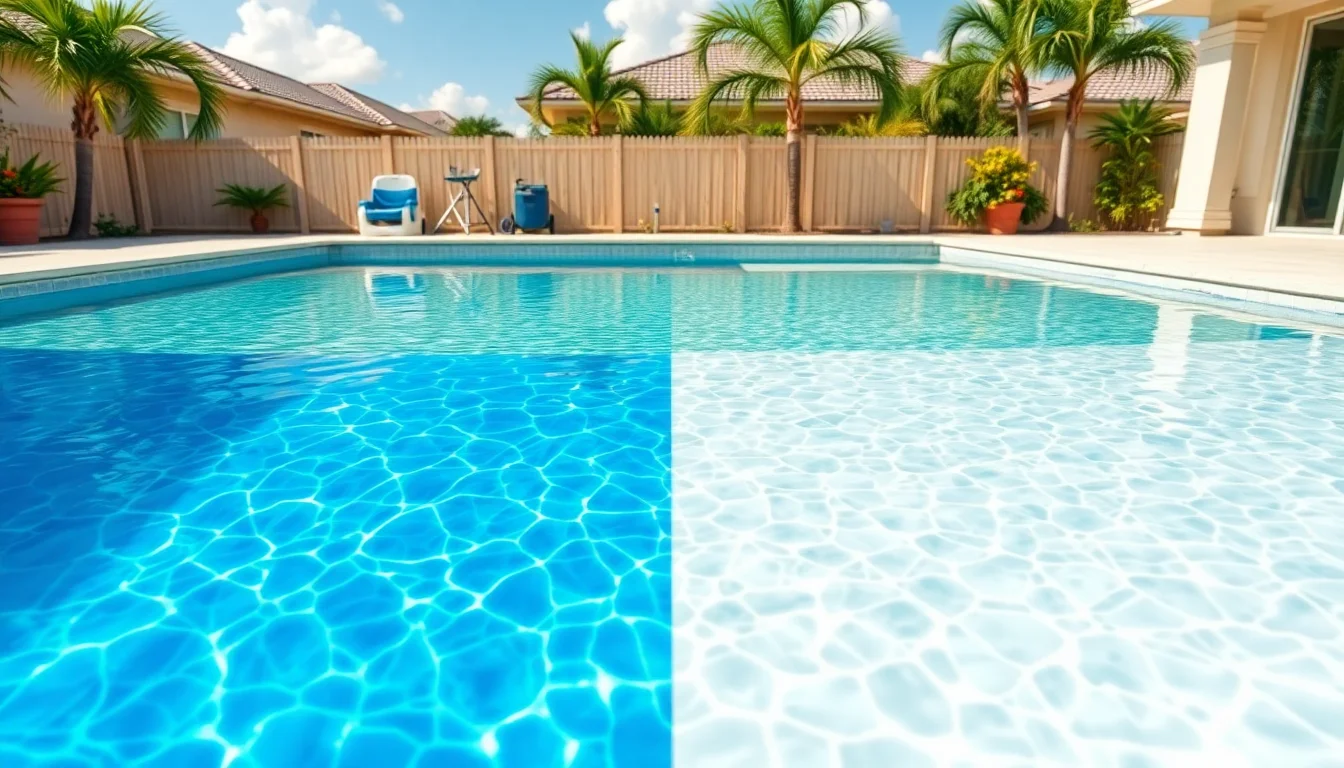
Over 73% of pool maintenance calls in Central Florida involve cloudy pool water that won't clear despite homeowners' best efforts. Cloudy pool water transforms your backyard oasis into an uninviting eyesore, but the fix is usually simpler than most people think.
The key is identifying the root cause. Throwing more chemicals at a cloudy pool often makes the problem worse. Here's how to diagnose what's actually causing your cloudy water and fix it the right way.
What Causes Cloudy Pool Water?
Pool water turns cloudy when microscopic particles suspend in the water instead of being filtered out. These particles scatter light, creating that milky, hazy appearance that makes it impossible to see the bottom of your pool.
The particles causing cloudiness fall into five main categories: chemical imbalances, filtration problems, algae growth, environmental contamination, or equipment failures. Each requires a different solution.
Cause #1: Poor Water Chemistry Balance
The Problem: When your pool's pH, alkalinity, or sanitizer levels are off, your water can't properly process contaminants.
High pH (above 7.8) prevents chlorine from working effectively. Low pH (below 7.2) makes chlorine too aggressive, breaking down too quickly. Both scenarios leave your pool vulnerable to cloudiness.
How to Fix It:
Test your water using quality test strips or a digital tester. Your target ranges are:
pH: 7.2-7.6
Total Alkalinity: 80-120 ppm
Free Chlorine: 1-3 ppm
Cyanuric Acid: 30-50 ppm
Adjust alkalinity first, then pH, then chlorine. If your cyanuric acid is above 50 ppm, you'll need to partially drain and refill your pool. High cyanuric acid creates 'chlorine lock' where your sanitizer can't work properly.
Tip: Always add chemicals with your pump running and wait 4-6 hours between adjustments to avoid overcorrecting.
Cause #2: Inadequate Filtration
The Problem: Your pool filter removes particles that cause cloudiness. When it's not running long enough, has a dirty filter media, or isn't sized properly for your pool, particles accumulate faster than they're removed.
Most pool owners run their pumps 6-8 hours daily, but Central Florida's year-round swimming season and higher bather loads often require 10-12 hours of filtration.
How to Fix It:
Clean or replace your filter media immediately. Sand filters need backwashing when pressure rises 8-10 psi above clean levels. Cartridge filters should be hosed down weekly and replaced every 4-6 months.
Increase your pump runtime to 10-12 hours daily during peak swimming season. Run it during daylight hours when algae growth is most active.
If cloudiness persists after 48 hours of proper filtration, your pump may be undersized for your pool volume. Pool equipment upgrades can solve chronic filtration problems permanently.
Cause #3: Early Stage Algae Growth
The Problem: Algae starts as microscopic organisms that make water cloudy before you see visible green growth. This often happens after heavy rains, when bathers introduce contaminants, or when chlorine levels drop.
Many homeowners mistake early algae for a simple chemical imbalance, leading to weeks of frustration as the problem worsens.
How to Fix It:
Shock your pool with 2-3 pounds of calcium hypochlorite shock per 10,000 gallons of water. Add shock at dusk to prevent sun degradation.
Brush all pool surfaces thoroughly before shocking to break up algae colonies. Pay special attention to steps, corners, and areas with poor circulation.
Run your filter continuously for 24-48 hours after shocking. Clean or backwash your filter every 12 hours during this period as dead algae will clog the media quickly.
Important: If your pool turns green within 6-12 hours after shocking, you're dealing with a more advanced algae bloom that requires professional treatment.
Cause #4: Environmental Contamination
The Problem: Florida's frequent afternoon storms, construction dust, pollen, and organic debris overwhelm your pool's ability to stay clear. Even properly maintained pools can turn cloudy after heavy contamination.
This is especially common in pools surrounded by oak trees or during spring pollen season when yellow dust coats everything outdoors.
How to Fix It:
Remove large debris with a skimmer net before it breaks down into microscopic particles. Vacuum the pool thoroughly, sending debris to waste instead of back through the filter.
Add a clarifying agent (polymer-based, not aluminum-based) to help your filter capture fine particles. Follow package directions carefully as overdosing can make cloudiness worse.
Consider adding an enzyme product monthly to break down organic contaminants like body oils, sunscreen, and leaf matter that contribute to cloudiness.
Cause #5: Equipment Malfunction
The Problem: Failing pumps, clogged skimmers, or damaged filter grids prevent proper water circulation. Even perfect chemistry won't clear cloudy water if your equipment isn't moving and filtering water effectively.
Signs of equipment problems include reduced water flow at returns, air bubbles in the pump basket, or unusual noises from your equipment pad.
How to Fix It:
Check your skimmer and pump baskets for clogs. Empty them completely and ensure the weir door moves freely.
Inspect your pump for air leaks around the lid, unions, and plumbing connections. Air in the system reduces filtration efficiency dramatically.
If your pump is running but water flow seems weak, you may have a clogged impeller or damaged filter grids that require professional repair.
For persistent equipment issues, professional diagnosis can identify problems that aren't obvious to homeowners and prevent costly damage from delayed repairs.
5 Common Mistakes That Make Cloudy Water Worse
Adding too much shock at once: Overdosing shock can actually precipitate minerals and make cloudiness worse. Stick to recommended dosages and repeat if necessary.
Using the wrong type of algaecide: Copper-based algaecides can stain pool surfaces and aren't necessary for routine maintenance. Use quaternary ammonium compounds instead.
Not running the filter long enough: Cloudy water needs 24-48 hours of continuous filtration to clear. Shutting off your pump too early restarts the cloudiness cycle.
Ignoring total dissolved solids: When TDS exceeds 2,500 ppm, your pool can't hold chemicals properly. The only fix is partial water replacement.
Mixing incompatible chemicals: Never add multiple chemicals simultaneously. Wait 4-6 hours between chemical additions to avoid dangerous reactions.
When to Call Professional Pool Service
Some cloudy water situations require professional intervention. Call experienced pool technicians if:
Your pool remains cloudy after 72 hours of proper treatment. This indicates underlying problems that basic maintenance can't resolve.
Water tests show extreme readings (pH below 6.8 or above 8.2, chlorine above 10 ppm, or alkalinity below 50 ppm). These conditions can damage equipment and surfaces.
You notice equipment problems like weak water flow, unusual noises, or visible damage to filter components. Attempting DIY repairs often creates bigger problems.
Professional pool service in Winter Garden and surrounding Central Florida areas can diagnose complex water quality issues quickly, saving you time and preventing expensive mistakes.
Preventing Future Cloudiness
Consistent maintenance prevents most cloudy water episodes. Test your water twice weekly during swimming season, maintain proper chemical levels, and clean your filter regularly.
Keep a maintenance log tracking chemical additions, test results, and equipment runtime. This helps identify patterns that lead to cloudiness in your specific pool environment.
Note: Pools serving short-term rental properties experience higher bather loads and chemical demand. Consider professional maintenance to ensure consistent water quality for guests.
Frequently Asked Questions
Why is my pool still cloudy after adding shock?
Shock treats contamination but doesn't fix filtration problems or chemical imbalances. If your pool is still cloudy 24 hours after shocking, test your pH and alkalinity levels and ensure your filter is running continuously. You may also need to clean your filter media, as dead contaminants can clog it quickly after shocking.
How long does it take to clear cloudy pool water?
Most cloudy water clears within 24-48 hours once you address the root cause and run your filter continuously. Severe cloudiness from algae blooms or major contamination can take 3-5 days to completely resolve. If cloudiness persists beyond 72 hours, there's likely an underlying equipment or chemistry problem that needs professional attention.
Can I swim in cloudy pool water?
No, you should avoid swimming in cloudy water. Cloudiness indicates your sanitizer isn't working properly, creating potential health risks. Additionally, you can't see the bottom of the pool, making it dangerous for children or weak swimmers. Wait until water clears completely before allowing swimming.
Why does my pool get cloudy after it rains?
Rainwater dilutes your pool chemicals and introduces contaminants like dust, pollen, and organic matter. Heavy rains can also overflow your pool, carrying debris from surrounding areas. Test and adjust your water chemistry immediately after significant rainfall, and run your filter longer to process the additional contaminants.
What's the difference between cloudy water and algae?
Cloudy water appears milky or hazy but maintains its blue color. Algae gives water a green, yellow, or black tint. However, algae often starts as cloudiness before becoming visibly colored. If your pool is cloudy and chlorine levels are low, treat it as potential early-stage algae with shock and extended filtration.
Should I use clarifier or flocculant for cloudy water?
Use clarifier for mild cloudiness when your filter is working properly. Clarifier helps your filter capture fine particles more effectively. Use flocculant only for severe cloudiness when you need particles to settle to the bottom for vacuuming to waste. Never use both products together, and always follow manufacturer instructions for dosage.


Comments