
How to Raise pH in Pool: Complete Guide for Florida Owners
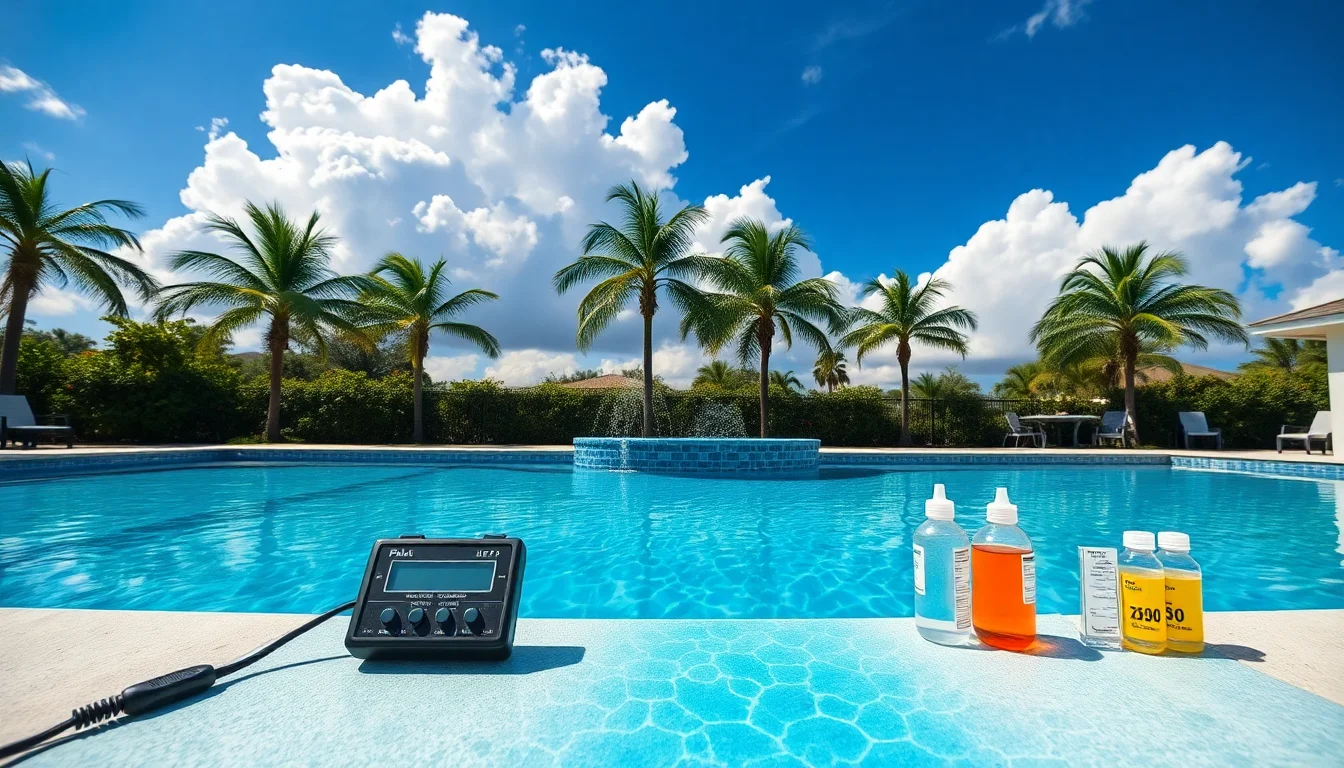
Low pH levels affect 73% of Florida pools during the rainy season, turning crystal-clear water into a chemical nightmare that can damage equipment and irritate swimmers. How to raise pH in pool water correctly involves choosing the right alkaline product, calculating proper dosages, and understanding why Florida's unique climate makes pH management especially challenging.
Pool pH measures how acidic or basic your water is on a scale of 0-14, with 7.0 being neutral. The ideal pool pH range sits between 7.2-7.6, but Florida's frequent rainfall, intense UV exposure, and high temperatures constantly push pH levels downward.
Signs Your Pool pH Is Too Low
Before diving into solutions, recognize these telltale symptoms of low pH in your pool:
Burning eyes and skin irritation — swimmers complain about discomfort after just minutes in the water
Metallic taste — water tastes sharp or has a metallic aftertaste
Corrosion damage — pool equipment, ladder rails, and light fixtures show pitting or discoloration
Etching on pool surfaces — plaster becomes rough and pitted, especially around water lines
Rapid chlorine loss — sanitizer burns off quickly, requiring constant additions
Test strips or digital pH meters will confirm what your senses already suspect. If readings consistently fall below 7.2, it's time to take action.
Why Florida Pools Struggle with Low pH
Central Florida's climate creates perfect conditions for pH drops throughout the year. Afternoon thunderstorms dump acidic rainwater directly into pools, while intense sunshine breaks down chlorine compounds that release acidic byproducts.
High bather loads in vacation rentals compound the problem. Each swimmer introduces oils, lotions, and organic matter that bacteria convert into acids. Vacation rental pools face this challenge weekly as new guests arrive.
Pool equipment also contributes to pH decline. Salt water chlorinators, ozone systems, and even standard chlorine tablets gradually lower pH levels through normal operation.
Seasonal pH Patterns in Florida
Spring brings the steepest pH drops as winter debris decomposes and rainfall increases. Summer maintains more stable levels but requires vigilant monitoring due to heavy pool usage. Fall typically sees gradual pH recovery as temperatures moderate and rainfall decreases.
Choosing the Right Product to Raise Pool pH
Two main products can increase pH in pool water, each with distinct advantages for different situations.
Baking Soda (Sodium Bicarbonate)
Baking soda raises both pH and total alkalinity simultaneously, making it ideal for pools with low readings in both categories. This common household product costs less than specialized pool chemicals and provides gentle, gradual pH increases.
Best for: Pools with pH below 7.0 and total alkalinity under 80 ppm
Dosage: 1.5 pounds per 10,000 gallons raises pH by approximately 0.1
Soda Ash (Sodium Carbonate)
Soda ash, also called pH increaser or pH up, raises pH more aggressively with minimal impact on total alkalinity. This makes it perfect for fine-tuning pH levels when alkalinity is already in range.
Best for: Pools with pH between 7.0-7.2 and adequate total alkalinity (80-120 ppm)
Dosage: 6 ounces per 10,000 gallons raises pH by approximately 0.2
Important: Never mix these chemicals together or add them simultaneously. Wait at least 4 hours between different chemical additions.
Step-by-Step Instructions to Raise pH in Pool
Follow this proven process used by professional pool technicians throughout Central Florida:
Step 1: Test Current Levels
Use a reliable test kit to measure both pH and total alkalinity. Digital meters provide more accurate readings than test strips, especially in Florida's bright sunlight that can fade strip colors.
Record your starting numbers — you'll need them to calculate proper chemical dosages.
Step 2: Calculate Chemical Requirements
Determine your pool's volume in gallons. Most residential pools range from 15,000-30,000 gallons, while commercial pools can exceed 50,000 gallons.
Use these formulas for accurate dosing:
Baking soda: (Target pH - Current pH) × Pool Volume ÷ 6,667 = Pounds needed
Soda ash: (Target pH - Current pH) × Pool Volume ÷ 33,333 = Pounds needed
Step 3: Add Chemicals Safely
Always add chemicals to water, never water to chemicals. Pour slowly around the pool perimeter while the circulation system runs. This prevents concentrated pockets that could damage pool surfaces.
For large pH adjustments, add chemicals in multiple smaller doses spaced 4-6 hours apart. This prevents overshooting your target and allows proper mixing.
Step 4: Allow Circulation and Retesting
Run your pool pump for at least 2-4 hours after chemical addition. Florida's warm water temperatures speed chemical dissolution, but proper circulation ensures even distribution.
Test pH again after circulation period. If levels remain low, repeat the process with another calculated dose.
Common Mistakes That Delay pH Recovery
Avoid these costly errors that extend the time needed to restore proper pH balance:
Adding too much chemical at once: Overshooting target pH requires acid additions to bring levels back down, creating a chemical yo-yo effect.
Ignoring total alkalinity: Low alkalinity acts as a pH buffer. Without adequate alkalinity (80-120 ppm), pH will continue dropping regardless of treatment.
Poor circulation during treatment: Stagnant areas develop chemical hot spots that can etch pool surfaces or create ineffective mixing.
Testing too quickly: Chemical reactions need time to complete. Testing immediately after addition provides inaccurate readings.
Using expired test reagents: Old test kits give false readings that lead to improper dosing. Replace reagents annually in Florida's heat and humidity.
Preventing Future pH Problems
Consistent maintenance prevents the dramatic pH swings that plague many Florida pools. Regular seasonal maintenance includes weekly pH testing and adjustment as needed.
Consider installing a pool cover during rainy periods to reduce acid rainwater contamination. Automatic chemical feeders can maintain steady pH levels, though they require professional calibration for optimal performance.
Tip: Test pH levels twice weekly during summer months and after every major rainstorm. Early detection prevents small problems from becoming expensive repairs.
When Low pH Indicates Bigger Problems
Sometimes persistent low pH signals underlying equipment issues rather than simple chemical imbalance. Equipment problems like failing salt cells, damaged heater exchangers, or inadequate filtration can continuously drive pH downward.
If pH drops rapidly after treatment or refuses to stabilize despite repeated adjustments, professional diagnosis may be necessary. These symptoms often indicate problems that require equipment repair or replacement.
The CDC recommends maintaining pool pH between 7.2-7.8 for optimal disinfection and swimmer comfort. Professional pool standards from the National Swimming Pool Foundation emphasize that proper pH management prevents 90% of water quality complaints.
Why Professional Pool Service Makes Sense
While homeowners can manage basic pH adjustments, Florida's challenging climate often requires professional expertise. Complex water chemistry interactions, equipment-related pH problems, and time-intensive maintenance make professional service a smart investment for many pool owners.
Professional technicians bring specialized test equipment, bulk chemical purchasing power, and experience with Florida-specific pool challenges. They can also identify developing problems before they become costly repairs.
Note: If your pool develops cloudy water or turns green alongside low pH, multiple water chemistry issues may be interacting. Professional diagnosis can save time and money in these complex situations.
Frequently Asked Questions
How long does it take to raise pH in a pool?
Most pH adjustments take 4-6 hours to complete with proper circulation. Large corrections may require multiple treatments spaced throughout the day. Florida's warm temperatures speed chemical reactions, but proper mixing takes time.
Can I use household baking soda to raise pool pH?
Yes, regular baking soda from the grocery store works effectively to raise both pH and total alkalinity. Use the same dosage calculations as pool-specific sodium bicarbonate products. Ensure the baking soda contains no additives or anti-caking agents.
What happens if I add too much pH increaser?
Excessive pH levels (above 7.8) reduce chlorine effectiveness, cause cloudy water, and promote scaling on pool surfaces. Lower pH gradually using muriatic acid or sodium bisulfate, following manufacturer's dosage instructions carefully.
Should I raise pH or alkalinity first?
Always adjust total alkalinity before fine-tuning pH. Alkalinity acts as a pH buffer — without proper alkalinity levels (80-120 ppm), pH will continue fluctuating regardless of treatment. Use baking soda to raise both simultaneously when both are low.
How often should I test pool pH in Florida?
Test pH at least twice weekly during swimming season, and after every significant rainstorm. Florida's frequent weather changes and high pool usage require more frequent monitoring than pools in other climates.
Why does my pool pH keep dropping after I fix it?
Persistent low pH often indicates inadequate total alkalinity, equipment problems, or ongoing contamination sources. Check alkalinity levels first, then inspect equipment like salt cells or heaters that may be producing acidic conditions. Heavy rainfall or high bather loads can also continuously lower pH.


Comments