
Saltwater Pool Conversion Cost in Florida
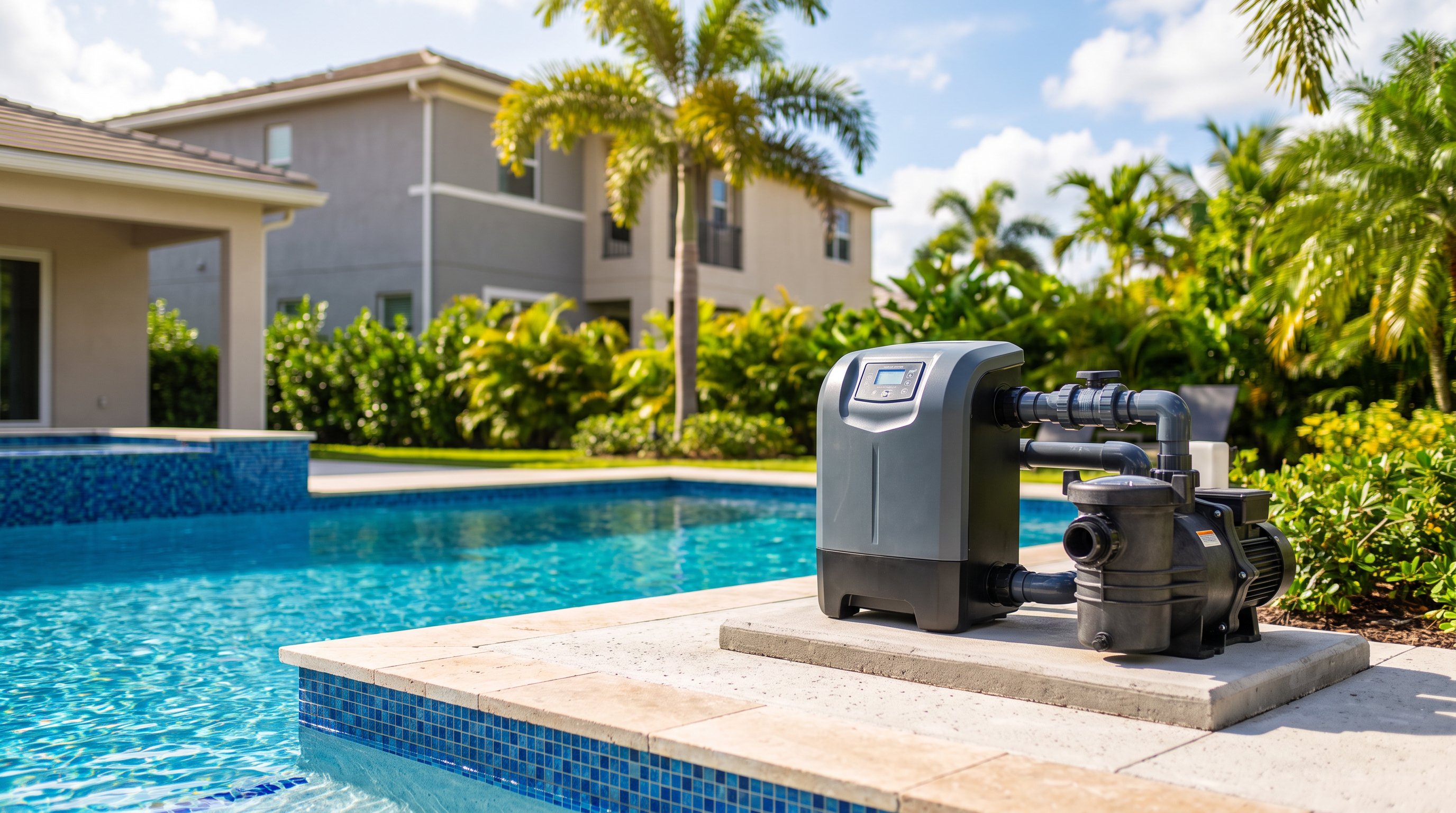
Saltwater pool conversion cost florida — saltwater pool conversion cost in Florida typically runs between $1,200 and $3,500, depending on pool size, existing equipment, and whether any plumbing or electrical work is needed. That range surprises a lot of homeowners who assume the switch to salt is either a minor upgrade or a full pool overhaul. It's neither — but the final number depends on details most people don't think about until a technician is standing at their equipment pad.
Central Florida pool owners ask about saltwater conversion more than almost any other upgrade, and for good reason. Traditional chlorine systems mean buying, storing, and handling chlorine tablets or liquid chlorine month after month. A salt chlorine generator produces chlorine on demand from dissolved salt in the water, cutting out most of that hassle while giving swimmers softer, less irritating water.
What Drives the Cost Up or Down
The salt chlorine generator itself is the biggest line item. Mid-range units built for residential pools up to 20,000 gallons run $700 to $1,400 for the equipment alone, and larger pools need bigger cells that push costs higher. Installation labor adds another $300 to $600 in most Central Florida service areas, assuming your existing plumbing and electrical setup can accommodate the new unit without major rework.
Pools with outdated or undersized electrical panels sometimes need an electrician to add a dedicated circuit before the salt system can be wired in. That's an added cost most quotes don't include upfront, so ask directly. Older pools may also need new check valves or unions installed in the plumbing run to fit the salt cell properly, which a qualified pool equipment repair technician will flag during the initial inspection.
Salt itself is cheap — a 40-pound bag costs $6 to $12, and a typical pool needs several bags for the initial fill to reach the target salinity, usually 2,700 to 3,400 parts per million. After that, salt only needs topping off a few times a year unless there's heavy backwashing, rain dilution, or a pool that gets drained and refilled.
Saltwater vs. Traditional Chlorine: The Real Cost Comparison
Homeowners fixate on the upfront number, but the monthly savings are where saltwater systems earn their keep. A traditional chlorine pool in Florida's climate can burn through $50 to $100 a month in tablets or liquid chlorine during peak swim season. A saltwater system generates chlorine continuously from salt already in the water, dropping that recurring cost to nearly nothing beyond the occasional salt bag.
Salt cells do wear out. Most last three to seven years depending on usage and water balance, and replacement cells run $200 to $700. Factor that into the long-term math — a saltwater system usually pays for itself within two to three years through reduced chemical spending, even after accounting for a cell replacement.
Tip: Ask your technician for the expected lifespan of the specific cell model they're installing. Cheaper cells often need replacement sooner, which changes the long-term savings calculation.
The Conversion Process, Step by Step
A proper saltwater conversion isn't just bolting on a new box. It starts with a water test to confirm current chemical balance, followed by a full inspection of the existing filtration and plumbing system to make sure everything is compatible with a salt environment.
Water balance check: pH, alkalinity, and calcium hardness get tested and adjusted before salt is added.
Equipment inspection: Pump, filter, and existing plumbing are checked for salt compatibility and wear.
Salt cell installation: The generator is plumbed into the return line, typically after the heater and filter.
Electrical connection: The control board is wired to a dedicated circuit near the equipment pad.
Salt addition: Salt is added gradually and dissolved fully before the system is powered on.
Calibration: Salinity is measured and the generator's output is set to maintain proper chlorine levels.
Most conversions on residential pools are completed in a single day. Larger commercial or community pools, common in HOA settings, sometimes take longer due to bigger equipment and more extensive electrical work.
Is Your Existing Equipment Salt-Ready?
This is where a lot of DIY conversions go wrong. Not every pool component is built to handle a saltwater environment. Certain pool heaters, older metal fixtures, and some types of pool lighting can corrode faster when exposed to salt if they weren't designed for it.
Stainless steel components rated for saltwater use hold up fine, but standard steel or lower-grade metal fixtures don't. A technician familiar with pool repair work in Central Florida's humid, high-mineral water conditions will know which parts on your pool need replacing before the salt goes in, and which are already rated to handle it.
Pool surfaces matter too. Plaster and pebble finishes generally tolerate salt well, but some older vinyl liners and certain decorative tile grouts can degrade faster under sustained salt exposure. If your pool is due for a resurface anyway, it often makes sense to handle pool resurfacing and the saltwater conversion in the same project to avoid paying for labor twice.
Common Mistakes Homeowners Make
Skipping the electrical assessment: Installing a salt system on an overloaded or outdated panel leads to nuisance trips and shortened equipment life.
Adding salt too fast: Dumping salt in all at once instead of gradually can leave undissolved salt sitting on the pool floor, damaging certain finishes.
Ignoring metal fixtures: Ladders, handrails, and lights not rated for saltwater corrode faster and need premature replacement.
Choosing an undersized cell: A cell rated for a smaller pool than yours works overtime and burns out years early.
Neglecting water balance first: Converting before fixing pH and alkalinity issues just locks in the same problems with a new system.
Assuming zero maintenance: Saltwater pools still need regular testing, cell cleaning, and seasonal checks — they just need less chemical handling.
Short-term rental owners in Reunion, Davenport, and the Four Corners area run into a specific version of mistake number six. A saltwater system reduces guest complaints about chemical smell and skin irritation, but it doesn't eliminate the need for scheduled service between guest turnovers — especially with heavy, inconsistent pool use from rotating renters.
Budgeting for the Full Project
A realistic Central Florida budget for saltwater conversion breaks down roughly as follows: $700 to $1,400 for the salt chlorine generator, $300 to $600 for standard installation labor, $0 to $500 for any electrical upgrades needed, and $50 to $150 for initial salt and water balancing chemicals. That puts most straightforward residential conversions in the $1,200 to $2,000 range, with complications pushing costs toward the $3,000 to $3,500 mark.
Pools with heaters, water features, or automated control systems already installed may need additional integration work to sync everything with the new salt system. Get a firm, itemized quote before work starts rather than a rough verbal estimate — Florida's humidity and mineral-heavy water create more equipment variables than drier climates, and a quote that doesn't account for your specific setup usually grows once work begins.
Schedule Your Saltwater Pool Conversion in Central Florida
If chlorine tablets, red eyes, and monthly chemical runs have worn thin, a saltwater conversion solves the smell, the skin irritation, and the constant chemical shopping in one project. Whether you're a homeowner in Clermont or managing a short-term rental pool in Reunion, our technicians handle the equipment inspection, installation, and calibration in a single visit for most residential pools.
Request your free quote or call 407-883-0896 for fast, local service in Central Florida.
Frequently Asked Questions
How much does it cost to convert a pool to saltwater in Florida?
Most residential conversions in Central Florida cost between $1,200 and $3,500, covering the salt chlorine generator, installation labor, and initial salt for the water. Costs rise if electrical upgrades or plumbing modifications are needed.
Is a saltwater pool cheaper to maintain than a chlorine pool?
Yes, in most cases. Saltwater systems cut monthly chemical spending significantly since the generator produces chlorine continuously, though the salt cell itself needs replacement every three to seven years at a cost of $200 to $700.
Can any pool be converted to saltwater?
Most pools can be converted, but older metal fixtures, certain heaters, and some vinyl liners may need replacing first since they aren't rated for salt exposure. A technician inspection before conversion catches these issues early.
How long does a saltwater pool conversion take?
Most residential conversions are completed in a single day, including water testing, equipment installation, electrical connection, and initial calibration. Larger commercial or community pools may take longer.
Do saltwater pools need less maintenance than chlorine pools?
Saltwater pools need less chemical handling, but they still require regular water testing, salt cell cleaning, and seasonal checks. Rental and high-traffic pools especially still need scheduled service visits.
Will saltwater damage my pool equipment?
Equipment rated for saltwater use, including stainless steel fixtures and salt-compatible heaters, handles the conversion without issue. Non-rated metal components can corrode faster and may need replacement before or shortly after conversion.


Comments