
Pool Automation Winter Garden: Smart Control Guide
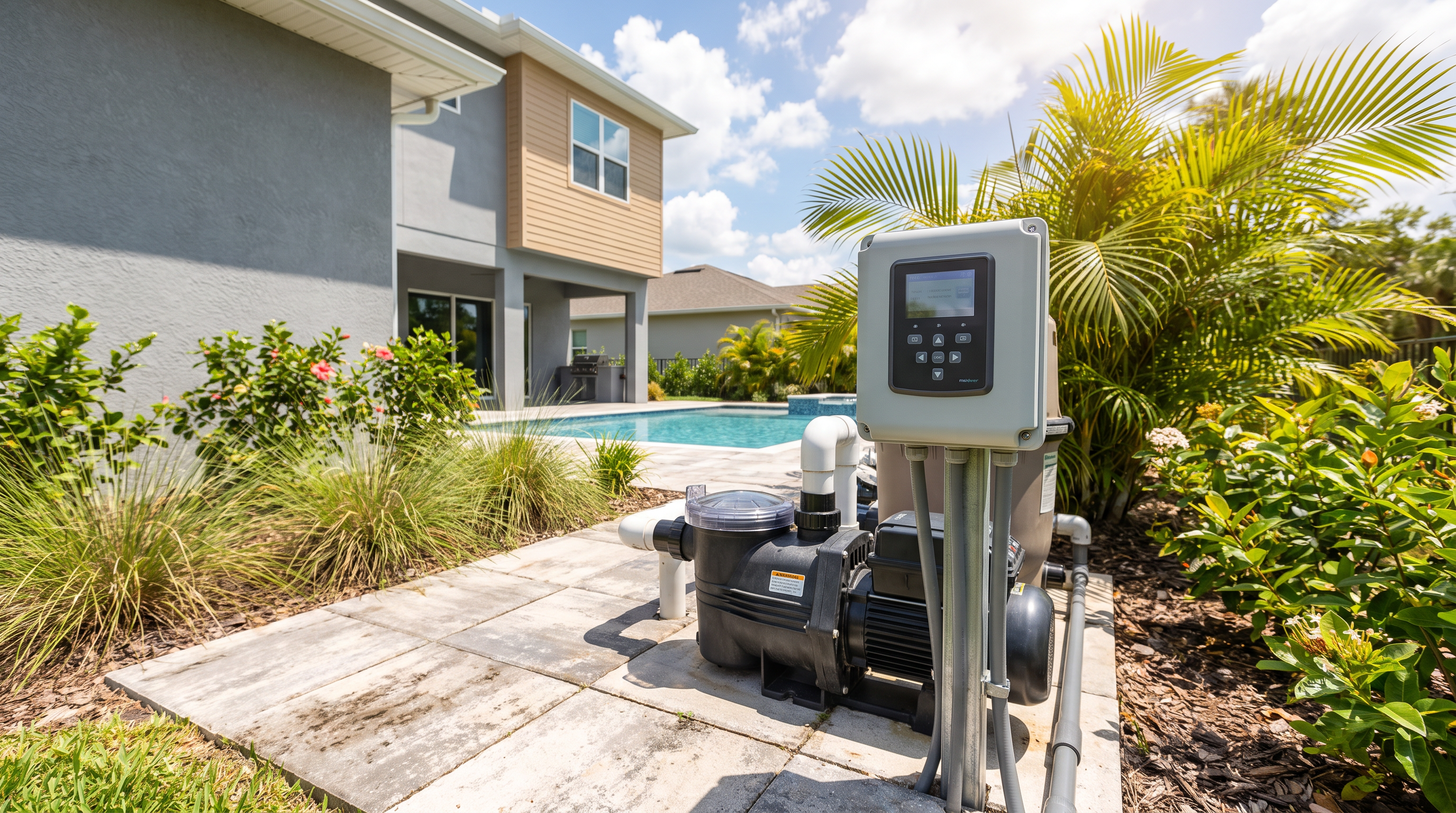
Pool automation Winter Garden homeowners are installing right now can cut energy bills by 20-30% while letting you check chemistry and turn on the heater from a beach chair three states away. A smart pool control system replaces a wall of manual switches and timers with a single app that runs your pump, heater, lights, and salt chlorine generator on a schedule you set once and forget. For a growing number of Winter Garden pool owners, especially those managing short-term rentals near Horizon West and the Hamlin corridor, automation has moved from luxury add-on to standard equipment upgrade.
The Pool Mechanic installs and services these systems as part of routine equipment work, which means you don't need a separate electrician or a second company to keep it running. If your pump or filter is already due for a swap, automation is worth pricing into that same visit.
What Pool Automation Actually Controls
A basic automation package handles four things: the pump, the heater, the lighting, and any water features like a spa jet or waterfall. Mid-range systems add salt chlorine generator output, chemical feed timing, and freeze protection that automatically bumps up pump speed when overnight temperatures drop near 40 degrees.
Higher-end systems, the kind we install most often for larger Reunion and Celebration properties, integrate with existing smart home hubs so the pool shows up alongside your thermostat and door locks in one app. You get push notifications if a pump trips a breaker or a sensor detects unusual flow, which catches equipment failures before they turn into a green pool or a $1,200 repair bill.
Variable-speed pumps are the piece that does the most financial work in an automated system. The U.S. Department of Energy notes that variable-speed pumps paired with smart scheduling can reduce pool pump energy use significantly compared to older single-speed models running on fixed timers.
Why Winter Garden's Climate Makes This Upgrade Pay Off Faster
Central Florida pools run nearly year-round, which means Winter Garden pump motors log more operating hours annually than pools in almost any other part of the country. That constant use is exactly the scenario where automation saves the most money, because the system can run the pump at low speed for filtration most of the day and only ramp up during actual swim hours or chemical feed cycles.
Summer storms are the other factor. Winter Garden's afternoon thunderstorm pattern means automated freeze and rain sensors aren't just a Northern climate feature transplanted here for no reason. A smart system can pause chemical dosing during heavy rain and resume normal cycles once water levels stabilize, which protects your plaster and tile from chemical imbalance you'd otherwise catch two days too late on a manual test strip.
If your pool is due for a broader refresh, this is also a natural moment to bundle automation with other upgrades. We handle pool resurfacing in Winter Garden alongside equipment installs regularly, since re-plumbing and new equipment pads are already open during a resurfacing job.
Automation for Short-Term Rental and HOA Properties
If you manage a vacation rental near Horizon West or a shared amenity pool for an HOA, automation solves a specific problem: you can't be onsite every time a guest cranks the heater to 95 degrees or a pump alarm goes off at 2 a.m. Remote monitoring means you or your management company gets an alert instead of a guest complaint or a Google review about cold water.
Property managers running multiple units across Reunion, Davenport, and Winter Garden also use automation to standardize energy costs across a portfolio. Instead of guessing what each unit's electric bill looks like, you set the same heating and filtration schedule across every property and adjust remotely based on occupancy calendars.
We work with property managers on exactly this kind of setup as part of our short-term rental pool service, which pairs automation installation with the weekly cleaning and chemical checks your guests never see but always notice when they're missing.
What's Included in a Winter Garden Pool Automation Install
A typical installation replaces your existing equipment pad wiring with a control box, adds a Wi-Fi bridge, and connects sensors for water temperature, flow, and salt or chlorine levels. Most jobs take a single day if your equipment pad already has adequate electrical capacity.
Here's what a standard upgrade path looks like for an existing pool:
Equipment assessment: We check pump age, electrical panel capacity, and existing plumbing before quoting automation, since older single-speed pumps sometimes need replacement first.
Control unit install: The automation hub mounts near your existing equipment pad and connects to pump, heater, and valve actuators.
App setup and scheduling: We configure your filtration, heating, and lighting schedules based on your household or rental occupancy pattern.
Sensor calibration: Salt, pH, and temperature sensors get calibrated on-site and cross-checked against manual test results.
Walkthrough: You get a live demo of the app, including how to override schedules manually and how alerts work.
If your pump or filter is already failing, it makes more sense to combine automation with a full pool repair in Winter Garden visit rather than paying for two separate service calls.
Common Mistakes Homeowners Make With Pool Automation
Buying a system before checking pump compatibility: Older single-speed pumps can't communicate with most smart controllers, so the automation hub sits unused until the pump is replaced anyway.
Skipping the electrical assessment: Some 1990s and early 2000s equipment pads in Winter Garden don't have the panel capacity for added smart devices without an upgrade.
Setting schedules once and never adjusting them: Seasonal swim patterns change, and a schedule that made sense in July is wasteful by November.
Ignoring app alerts: A flow alert almost always means something is already wrong, not something about to go wrong. Waiting a week to check it usually costs more.
DIY installation on saltwater systems: Saltwater generators have specific calibration requirements, and a miscalibrated sensor can lead to over-chlorination that damages tile grout and pool liners.
Choosing automation without ongoing service: A smart system still needs periodic manual chemistry checks and sensor cleaning. Automation reduces labor, it doesn't eliminate routine pool maintenance in Winter Garden.
Schedule Your Pool Automation Installation in Winter Garden Today
Manually adjusting your pump schedule, guessing at heater settings from out of state, or fielding a 2 a.m. call from a rental guest about a broken pool light gets old fast. Automation solves all three, and it pairs directly with the cleaning, repair, and resurfacing work we already handle for pools across Winter Garden, Horizon West, and Four Corners. Whether you're upgrading an aging pump or setting up a full smart system for a rental portfolio, our crew can quote and install it in a single visit.
Request your automation consultation or call 407-883-0896 for fast, local service in Winter Garden.
Frequently Asked Questions
How much does pool automation cost in Winter Garden?
Basic pump and heater control systems typically run $600 to $1,500 installed, while full systems with lighting, salt generation, and app-based sensor monitoring run $2,000 to $4,500 depending on how much existing equipment needs replacement.
Can I add automation to an existing pool without replacing the pump?
Only if your current pump is already variable-speed and compatible with a smart controller. Single-speed pumps, common in older Winter Garden homes, need to be replaced before automation can control speed and scheduling.
Does pool automation actually lower my electric bill?
Yes, mainly because variable-speed pumps run at lower speeds for most filtration cycles instead of full power around the clock. The Department of Energy's guidance on pool pump efficiency backs this up with measurable savings data.
Is pool automation worth it for a short-term rental property?
For most rental managers, yes. Remote temperature control and equipment alerts prevent the two most common guest complaints, cold water and broken lights, without requiring a site visit.
Will automation work with my existing saltwater chlorine generator?
Most modern saltwater systems integrate with smart controllers, though older generators sometimes need a compatible bridge module. We check this during the initial equipment assessment.
How long does a pool automation installation take?
Most installs take a single day if the equipment pad has sufficient electrical capacity. Jobs that require a pump replacement or panel upgrade typically take one to two additional days.


Comments