
Pool Resurfacing Kissimmee FL: Signs, Costs & Options
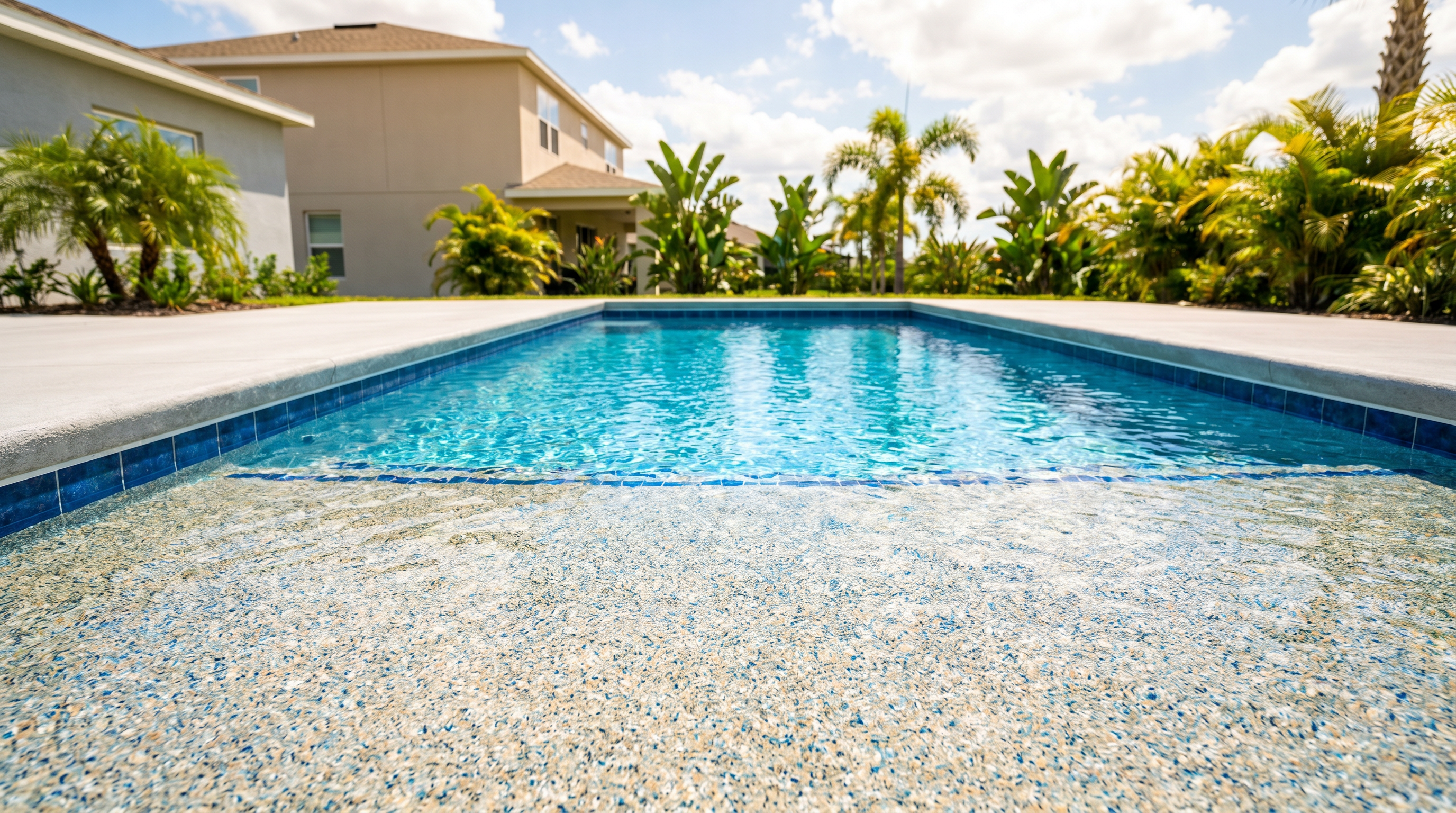
Pool resurfacing in Kissimmee, FL is one of the most common—and most necessary—pool renovations homeowners and vacation rental operators face in Central Florida. Between the intense UV exposure, year-round use, and high bather loads that come with the Kissimmee short-term rental market, pool surfaces here simply wear out faster than in most parts of the country. If your pool looks rough, stained, or feels like sandpaper underfoot, you're probably already overdue.
This guide covers the warning signs that mean it's time to resurface, the best material options for Florida's climate, realistic 2026 cost ranges, and exactly what the process looks like from start to finish.
Signs Your Kissimmee Pool Needs Resurfacing
Pools in the Kissimmee and Osceola County area take a beating. Vacation rental properties in communities like Windsor Hills, Storey Lake, and Reunion see guests checking in and out weekly — sometimes daily — and pool use doesn't slow down in winter the way it does in northern states. That wear accumulates quickly.
The clearest sign is surface roughness. If the plaster feels sharp or abrasive against skin, the calcium crystals in the surface have broken down and are now exposed. That's not just unpleasant — it causes cuts and scrapes, and it accelerates chemical imbalance because the degraded surface absorbs chemicals unevenly.
Other signs to look for:
Staining that won't brush off — deep mineral stains mean the surface has become porous
Visible cracks or chips — surface cracks can allow water to reach the shell and cause structural problems
Peeling or flaking plaster — chunks lifting off the surface are a clear sign of delamination
Persistent algae — a pitted or degraded surface creates hiding places for algae that no amount of chemicals will fully eliminate
Etching and pitting — small pockmarks across the floor and walls indicate acid erosion over time
Most plaster surfaces last 7–10 years under normal residential use. In Kissimmee's vacation rental environment, that window can shrink to 5–7 years. If your pool is in that age range and showing any of the above signs, a resurfacing consultation is the right next step. Learn more about pool services in Kissimmee and what's involved in keeping vacation rental pools in top condition.
Material Options for Florida's Climate
Not all resurfacing materials perform equally in Florida. The combination of UV intensity, high humidity, fluctuating bather loads, and year-round chemical treatment narrows the field quickly. Here's how the main options compare for a Kissimmee pool.
Standard White Plaster
Traditional white plaster (marcite) is the most affordable option and has been used in Florida pools for decades. It's a blend of white Portland cement, marble dust, and water. The downsides are real though — it's the least durable finish, typically lasting 5–7 years in heavy-use environments, and it stains more easily than aggregate finishes. For a primary residence with light use, it's a reasonable budget choice. For a vacation rental pool, it's generally not the best investment.
Quartz Aggregate
Quartz finishes blend standard plaster with quartz aggregate crystals, which adds significantly more durability and stain resistance. The texture is smoother than exposed pebble finishes, and quartz surfaces hold their color better under prolonged UV exposure. Expect a lifespan of 10–15 years with proper water chemistry. This is a strong mid-range option for Kissimmee vacation rental pools — better performance than plaster at a moderate price increase.
Pebble Tec and Pebble Aggregate
Pebble aggregate finishes — including branded products like Pebble Tec and Pebble Sheen — are the premium tier. Small river pebbles are embedded in a cement base to create a highly durable, naturally textured surface. They're exceptionally resistant to staining, chemical erosion, and UV fading, and they typically carry manufacturer warranties of 10+ years. The texture feels more natural underfoot and the aesthetic options are wide-ranging. For high-traffic vacation rental pools in Kissimmee, pebble finishes deliver the best long-term value despite the higher upfront cost. According to the National Swimming Pool Foundation, aggregate finishes consistently outperform standard plaster in durability and long-term cost of ownership.
Exposed Quartz vs. Pebble: Which Is Right for Your Kissimmee Pool?
For most property managers operating pools in Kissimmee's short-term rental corridor, the decision comes down to quartz vs. pebble. Quartz is slightly smoother and better for pools where guest comfort is the priority. Pebble finishes last longer under heavy chemical demand and are harder to damage from improper water chemistry — which matters when you have dozens of different guests managing their own swim time throughout the year.
2026 Pool Resurfacing Cost Ranges in Kissimmee
Costs vary based on pool size, surface condition, material chosen, and any structural repairs needed before the new finish goes on. For a detailed breakdown, the 2026 pool resurfacing cost guide for Central Florida covers pricing by material and pool size in detail. As a general reference for Kissimmee pools in 2026:
Standard plaster: $4,500–$7,500 for a typical residential pool (12×24 to 15×30 ft)
Quartz aggregate: $7,000–$11,000 depending on size and prep work required
Pebble aggregate: $9,000–$15,000+ for larger vacation rental pools with custom color options
Keep in mind that these ranges assume the pool shell is in sound condition. If the existing plaster is severely delaminated, if there are cracks that need patching, or if the coping and tile need attention at the same time, costs rise accordingly. Getting an on-site quote is the only way to get an accurate number for your specific pool.
One note for vacation rental operators: resurfacing downtime is typically 7–10 days, which is important for booking calendar planning. The cost of the resurfacing is almost always offset by avoiding ongoing chemical losses, algae treatments, and the guest complaints that come with a deteriorated surface. The Florida Building Code also requires that pool surfaces be maintained in a condition that doesn't pose a hazard to bathers — which means a badly degraded surface isn't just an aesthetic problem.
What the Resurfacing Process Looks Like
Pool resurfacing is not a one-day job. Understanding the timeline and steps involved helps you plan around it — especially critical for Kissimmee property managers who need to coordinate with their booking calendars.
Here's the standard sequence:
Day 1 — Drain and prep: The pool is drained completely and the old plaster surface is chipped or blasted off down to the shell. Any cracks or structural issues are repaired at this stage.
Day 2–3 — Surface preparation: The shell is acid-washed, cleaned, and prepared to receive the new finish. Tile and coping repairs are completed if needed.
Day 3–4 — Application: The new finish is applied by a two-person crew working simultaneously from opposite ends of the pool to ensure even application and avoid lap lines.
Day 4–7 — Initial fill and startup: The pool begins filling immediately after application. Water chemistry is carefully managed during the first 28-day cure period — this is critical. Improper startup chemistry is the leading cause of premature plaster failure.
Day 7–10 — Return to service: Once water balance is stable and the surface has cured adequately, the pool is ready for use.
Professional startup chemistry management during the cure period is not optional. Aggressive water — water that's even slightly too acidic during those first weeks — will etch a brand-new finish and void most manufacturer warranties. This is why choosing an experienced local pool company for your Kissimmee pool renovation matters as much as the material you select.
Pool Renovation and Remodeling: What Else to Address at the Same Time
Resurfacing is often the trigger for a broader pool renovation or remodeling project. Since the pool is already drained and the crew is on-site, many Kissimmee homeowners and property managers choose to address tile and coping, lighting upgrades, or equipment replacement at the same time to minimize total downtime and avoid scheduling a second drain-and-refill cycle later.
Common items to bundle with a resurfacing project include:
Waterline tile replacement or upgrade
Coping repair or replacement
LED light conversion
Return jet and main drain replacement
Pump and filter upgrades (if the equipment is aging)
Deck resurfacing or deck coating
For vacation rental pools, upgrading to LED lighting during a resurfacing is particularly worthwhile — the visual impact in listing photos is significant and the ongoing energy savings are real. Bundling work keeps labor costs lower per item and means the pool is out of service for one consolidated window rather than multiple shorter closures.
Explore the full range of pool resurfacing services available from The Pool Mechanic across Central Florida.
Schedule Your Pool Resurfacing in Kissimmee Today
Whether your pool is showing early signs of wear or the surface has been deteriorating for years, getting ahead of the problem protects your investment and keeps your guests — or your family — comfortable and safe. The Pool Mechanic works with Kissimmee homeowners and vacation rental property managers to assess surface condition, recommend the right material for your use case and budget, and complete the job with minimal downtime.
Request your free on-site quote or call 407-883-0896 for fast, local service in Kissimmee.
Frequently Asked Questions
How long does pool resurfacing take in Kissimmee?
Most pool resurfacing projects in Kissimmee take 7–10 days from drain to return-to-service. The actual surface application takes 1–2 days, but the fill, startup chemistry management, and initial cure period account for the remaining time. Vacation rental operators should plan for roughly 10 days of booking downtime to be safe.
What's the best pool surface material for a Kissimmee vacation rental?
Pebble aggregate finishes like Pebble Tec or Pebble Sheen are generally the best choice for high-use vacation rental pools. They're more resistant to staining, chemical erosion, and UV fading than standard plaster, and they hold up better when bather loads and water chemistry fluctuate. Quartz aggregate is a solid mid-range alternative that performs well in Florida's climate at a lower price point.
How much does pool resurfacing cost in Kissimmee in 2026?
In 2026, pool resurfacing in Kissimmee ranges from approximately $4,500–$7,500 for standard plaster, $7,000–$11,000 for quartz aggregate, and $9,000–$15,000+ for pebble aggregate finishes. Final cost depends on pool size, surface condition, and whether additional repairs to tile, coping, or the shell are needed.
How do I know if my pool needs resurfacing or just a good cleaning?
A cleaning won't fix structural surface problems. If the plaster feels rough or sharp, has visible cracks or chips, is flaking, or has deep staining that brushing and chemicals don't remove, those are signs the surface itself has degraded and needs resurfacing. Algae that keeps returning despite proper chemical treatment is another strong indicator of a compromised surface.
Can I resurface a pool without draining it?
No. Pool resurfacing requires a full drain so the existing surface can be chipped or blasted off and the new finish applied directly to the shell. There is no shortcut that produces a durable, properly bonded result without draining the pool first.
Does pool resurfacing require a permit in Kissimmee?
In most cases, standard pool resurfacing in Kissimmee does not require a permit — it's considered maintenance of an existing structure. However, structural repairs, changes to plumbing or electrical (such as light upgrades), or significant remodeling work may require a permit through Osceola County. Your pool contractor should advise you on permit requirements for your specific scope of work before the project begins.


Comments