
How to Prepare Your Pool for Hurricane Season in Florida
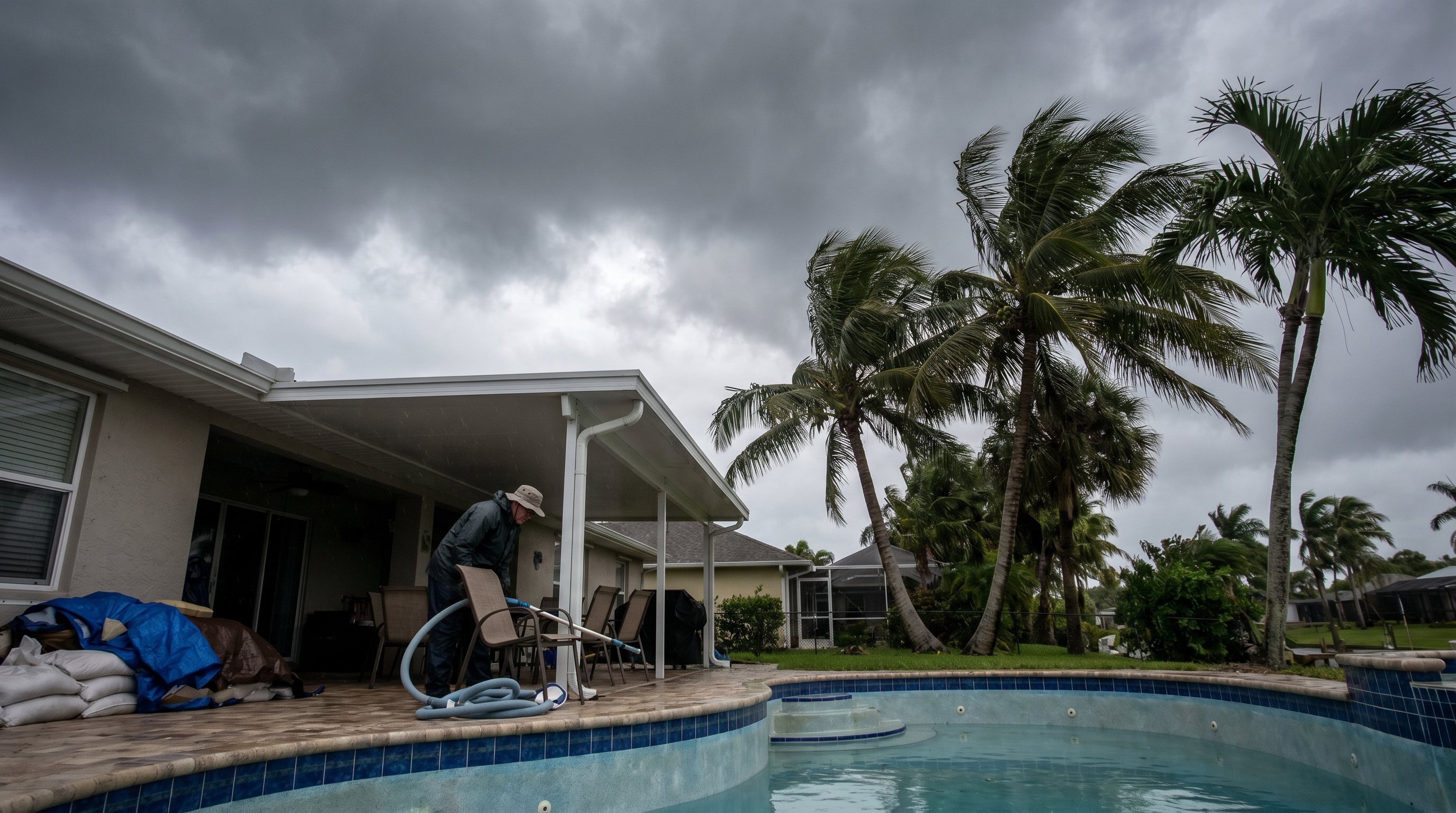
Florida's hurricane season runs from June through November, and 73% of Florida homeowners report pool damage during major storms. How to prepare your pool for hurricane season in Florida requires a systematic approach that protects both your equipment and the pool structure itself from the devastating combination of high winds, flooding, and power outages.
Pool preparation isn't just about covering and hoping for the best. Smart preparation can save you thousands in repairs and get your pool back to swimming condition faster after the storm passes.
Phase 1: Before the Storm Hits
Your hurricane preparation should begin 48-72 hours before the storm's expected arrival. This gives you enough time to complete all necessary steps without rushing through critical safety measures.
Equipment Inspection and Shutdown
Start with a complete equipment inspection. Check your pool pump for unusual sounds or leaks that could worsen during the storm. Inspect your filter system and clean it if needed — a clogged filter during post-storm cleanup will only create bigger problems.
Turn off all automated pool systems including timers, heaters, and salt water generators. Gas heaters pose a particular safety risk during hurricanes and should be completely shut off at the gas line. Remove any loose electrical connections that could short out during flooding.
Important: Never attempt to service electrical equipment if standing water is present near the pool area.
The Water Level Decision
One of the biggest mistakes pool owners make is draining their pool completely before a hurricane. Empty pools are at serious risk of 'popping' out of the ground due to hydrostatic pressure from saturated soil and flood water.
Instead, lower your water level to just below the skimmer opening — typically 12-18 inches below normal. This prevents overflow while maintaining enough water weight to keep your pool anchored. For professional pool maintenance services, experienced technicians know exactly how much water to remove for your specific pool type.
Chemical Shock Treatment
Apply a heavy chlorine shock 24 hours before the storm. Use double your normal shock dose to create a chlorine reserve that will help fight contamination from storm debris and flooding. This pre-treatment is especially critical during Florida's summer months when high temperatures and humidity already stress pool chemistry.
Add algaecide as well — power outages often last days after hurricanes, and stagnant water in summer heat creates perfect conditions for algae blooms.
Securing Pool Area
Remove all pool furniture, umbrellas, toys, and cleaning equipment. These become dangerous projectiles in hurricane-force winds. Store them in your garage or bring them indoors. Remove pool ladders and any removable handrails.
If you have a pool cover, secure it properly, but understand that most residential covers aren't designed for hurricane conditions. A poorly secured cover can cause more damage than leaving the pool open.
Phase 2: During the Storm
The most important rule during an active hurricane is to stay away from your pool entirely. Never go outside to check on it or attempt any maintenance while winds are above 35 mph.
Resist the urge to drain water that's overflowing during the storm. Pool pumps should remain off during high winds to prevent damage from debris entering the system. Power outages are common, so even if you wanted to run equipment, electricity likely won't be available.
Document any visible damage from inside your home for insurance purposes, but do not venture outside for a closer look until authorities declare it safe.
Phase 3: After the Storm Cleanup
Post-hurricane pool recovery follows a specific sequence that prevents equipment damage and gets your pool swimmable again as quickly as possible.
Initial Assessment and Debris Removal
Once authorities confirm it's safe to go outside, start with a visual inspection. Look for obvious structural damage, cracks in the pool shell, or equipment that's been moved or damaged.
Remove large debris by hand before turning on any equipment. Branches, leaves, and other organic matter can clog your pump and damage the impeller. Use a leaf rake or skimmer net — don't let debris sit in the water where it will decompose and create water quality problems.
Tip: Take photos of any damage before beginning cleanup for insurance documentation.
Equipment Restart Checklist
Before restarting your pool pump, check that the power supply is safe and dry. Inspect all electrical connections for water damage or corrosion. If your pump won't start after the storm, the most common causes are debris in the impeller, damaged electrical connections, or a tripped breaker.
Start your filtration system on its lowest setting first. High debris loads can overwhelm the filter and damage the pump motor. Run the system continuously until water clarity begins to improve, which may take 24-48 hours depending on contamination levels.
For complex equipment issues or if your pump won't restart properly, professional pool repair services can diagnose and fix problems that could worsen if handled incorrectly.
Water Chemistry Recovery
Hurricane flooding and heavy rain dramatically affect pool chemistry. Rain water is acidic and dilutes your existing chemical balance, while flood water introduces contaminants including bacteria, fertilizers, and organic matter.
Test your water immediately and expect all levels to be off. pH typically drops due to acidic rain water, while chlorine levels are usually near zero. Algae can begin forming within hours in these conditions, especially during Florida's summer heat.
Shock treat the pool with 2-3 times your normal chlorine dose. Add pH increaser to bring levels back to 7.2-7.6. If algae is already visible, treat it aggressively with algaecide and brush the pool walls daily until it clears.
When to Call for Professional Help
Some post-hurricane situations require professional assessment. Call a pool service if you notice cracks in the pool shell, equipment that won't restart, or persistent water quality problems that don't respond to chemical treatment.
Structural damage from hurricane winds or flooding can worsen quickly if not addressed properly. Pool renovation specialists can assess whether damage requires immediate repair or can wait until the busy post-storm period settles.
Central Florida Specific Considerations
Pool owners in Reunion, Davenport, Winter Garden, and Clermont face unique hurricane challenges. While these inland areas avoid storm surge, they still experience significant wind damage and flooding from heavy rainfall.
Inland pools often suffer more from extended power outages as utility crews focus on coastal areas first. This makes pre-storm chemical preparation even more critical. The combination of no filtration and summer heat can turn a crystal-clear pool into a green swamp within 48 hours.
Local drainage systems in newer developments like Reunion and Four Corners handle most rainfall well, but older areas may experience more flooding that affects pool chemistry and equipment.
For homeowners managing short-term rental properties in these areas, hurricane preparation becomes even more critical. Guests expect clean, safe pools, and post-storm recovery time directly impacts rental income. Professional pool services in Davenport and surrounding areas understand the urgency of getting rental pools back in service quickly.
Summer Season Double Threat
Florida's hurricane season overlaps completely with the peak swimming season, creating additional challenges. High bather loads before a storm mean elevated bacteria and organic waste in the water that becomes much harder to treat after hurricane contamination.
Summer heat also accelerates algae growth and chemical consumption during the post-storm recovery period. A pool that might take 2-3 days to clear in cooler weather can take a full week in July or August heat.
The frequent afternoon thunderstorms during Florida summers provide good practice for hurricane prep, but don't be fooled — hurricanes bring sustained winds, extended power outages, and flooding that summer storms don't match.
Emergency Preparedness Supplies
Keep hurricane pool supplies on hand from June through November. Stock extra chlorine shock, pH adjusters, and algaecide. These chemicals can be impossible to find immediately after a major storm as pool supply stores often close for days.
A manual vacuum and telescopic pole can be invaluable when power is out but you need to remove debris. Battery-powered water test strips work when electronic testers fail.
Most importantly, have contact information for reliable pool service companies saved in your phone. The weeks following major hurricanes see overwhelming demand for pool repairs and cleanup services.
Insurance and Documentation Tips
Take photos of your pool and equipment before hurricane season starts. These 'before' photos help with insurance claims if damage occurs. Document your normal chemical levels and equipment operation as well.
Understand what your homeowner's insurance covers regarding pool damage. Storm damage is typically covered, but flooding damage may require separate flood insurance depending on your policy and location.
Keep receipts for all hurricane preparation chemicals and supplies. Some insurance policies cover storm preparation costs, and these expenses may also be tax-deductible in declared disaster areas.
Schedule Your Pre-Hurricane Pool Inspection in Central Florida
Don't wait until a storm is approaching to discover equipment problems that could turn into major damage during a hurricane. Our experienced technicians can identify potential issues with your pump, filter system, and pool structure before hurricane season peaks.
Contact The Pool Mechanic for a comprehensive equipment inspection or call 407-883-0896 for fast, local service in Reunion, Davenport, Winter Garden, Clermont, and surrounding Central Florida areas.
Frequently Asked Questions
Should I drain my pool completely before a hurricane?
No, never drain your pool completely. Empty pools can 'pop' out of the ground due to hydrostatic pressure from storm flooding. Lower the water level 12-18 inches below normal to prevent overflow while maintaining structural weight.
How much chlorine shock should I add before a hurricane?
Use double your normal shock dose 24 hours before the storm hits. This creates a chlorine reserve to fight contamination from storm debris and potential flooding. Also add algaecide to prevent growth during power outages.
When can I turn my pool equipment back on after a hurricane?
Only restart equipment after authorities declare it safe to go outside and you've removed large debris from the pool. Check that electrical connections are dry and undamaged. Start filtration on the lowest setting first to avoid overwhelming the system.
What should I do if my pool pump won't start after the storm?
Check for debris in the impeller, inspect electrical connections for damage, and verify the breaker hasn't tripped. If these steps don't solve the problem, contact a professional pool repair service as continued attempts could cause more damage.
How long does it take to get pool water clear after a hurricane?
Expect 3-7 days depending on contamination levels and weather conditions. Summer heat extends recovery time. Run filtration continuously, shock treat with 2-3 times normal chlorine, and brush daily if algae appears.
Is pool damage from hurricanes covered by homeowner's insurance?
Storm damage is typically covered, but flooding damage may require separate flood insurance depending on your policy. Document equipment condition before hurricane season and take photos of any damage for claims processing.


From a pool maintenance perspective, the most critical steps before a hurricane are securing all electrical equipment, balancing water chemistry, and ensuring the pool remains filled to the appropriate level to counteract hydrostatic pressure. One of the most common mistakes I still see is homeowners attempting to drain pools too much, which can actually increase structural risk. Proper preparation, especially with equipment shutdown and chemical stabilization, significantly reduces post-storm recovery time and long-term damage.